24 November 2026
Fitted window blinds and solar heat: what makes a blind effective at controlling it
Presented by @brightroomideas
When the sun beats down through a south facing window or glass doors, a room can quickly turn into an uncomfortable greenhouse. Fitted window blinds are the obvious answer, but not all blinds handle solar heat in the same way. Some cut the glare while letting heat pour in, others reflect a large portion of the sun's energy before it reaches the room, and a few manage to control both light and temperature well. Understanding what makes a blind effective at controlling solar heat helps you choose the right one for your home, especially if you have a conservatory or large glazed area that soaks up sun exposure all day long.
How solar heat gets through a window
Solar heat enters a room mainly through radiation. Sunlight passes through glass, strikes surfaces inside, and warms them up. Those surfaces then release heat into the air, raising the room's air temperature. This is the same principle that makes a car feel hot on a sunny day even when the outside air is cool. The glass lets short-wave radiation in but traps the long-wave radiation that the interior emits, so the heat builds up. A blind that stops the short-wave radiation before it hits the room's surfaces is the most effective way to reduce that build-up.
The material and colour of the blind, its position relative to the window, and its ability to reflect or absorb energy all play a role. A blind that simply blocks light may still absorb heat and re-radiate it into the room. One that reflects the sun's energy back out through the glass can make a much bigger difference to the temperature you feel.
Reflective fabrics and thermal linings
The most effective blinds for solar heat control use a reflective fabric on the side that faces the window. This is often a metallic coating or a light-coloured, tightly woven material that bounces sunlight away rather than absorbing it. When the reflective side faces the glass, a large proportion of the solar radiation never gets past the blind. That means the room stays cooler, and the furniture and flooring are less likely to fade from prolonged sun exposure.
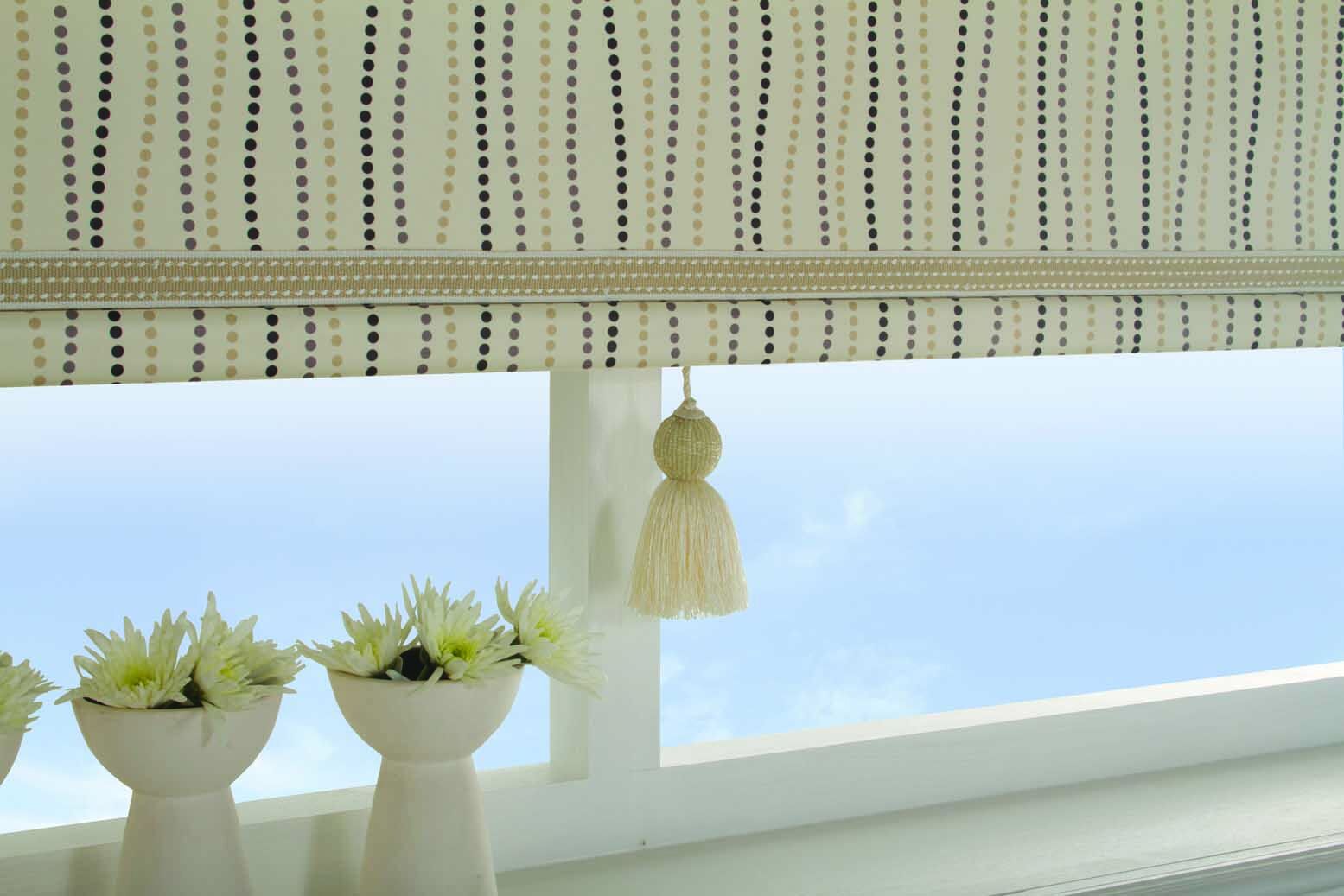
Thermal lining adds another layer of insulation between the window and the room. Even if some heat passes through the reflective layer, the lining creates a barrier that slows its transfer into the air. In winter, the same lining helps keep warmth from escaping through the glass, making the blind useful year-round. For a south facing window that gets direct sun for hours, combining a reflective front with a thermal backing can cut the heat gain noticeably.
If you are looking for options that balance light control with temperature management, many suppliers offer blinds with built-in reflective coatings or add-on thermal liners. The key is to check which side of the fabric faces the glass when the blind is down. Some ready-made blinds have the reflective coating on the outside, but fitted window blinds made to measure can be ordered with the reflective side positioned exactly where you need it. A specialist like peakblinds.co.uk can advise on which fabric and lining combination suits your particular window orientation and room use.
How the fit and position affect performance
A blind that hangs loosely or has large gaps around the edges lets solar heat bypass the fabric entirely. Heat enters through the uncovered glass and warms the room just as effectively as if the blind were not there. That is why made-to-measure blinds, which fit snugly into the window recess or sit tight against the frame, perform better than off-the-shelf options that leave gaps. The closer the blind is to the glass, the less room for heat to sneak past.
For conservatories or large glass doors, a blind that mounts inside the recess and has side channels or a cassette system can seal the edges even more. These systems create a near-complete barrier, so the reflective fabric does most of the work. If the blind is mounted outside the recess, on the wall above the window, the gap between the blind and the glass allows warm air to circulate into the room. That arrangement may still block glare, but it is less effective at controlling solar heat.
Colour and opacity matter
Dark blinds absorb heat. A black or deep navy fabric sitting in direct sunlight can become hot to the touch, and that heat radiates into the room. Light colours, especially white or pale grey, reflect more of the sun's energy. A white blind with a reflective backing can keep the fabric itself cooler, which means less radiated heat indoors. Opacity also plays a part. A sheer or semi-sheer blind lets some sunlight through, so while it reduces glare, it does little to stop solar heat gain. A fully opaque blind with a reflective surface provides the strongest barrier.
There is often a trade-off between heat control and the amount of natural light you want. A blackout roller blind with a reflective backing can block almost all light and heat, but it leaves the room dark. A venetian or pleated blind with reflective slats or fabric lets you adjust the angle to allow some light while still bouncing a good portion of heat back out. The choice depends on how you use the room and how much daylight you need.

Practical tips for choosing a blind for solar heat
If your main concern is summer heat in a conservatory or south-facing room, look for these features:
- A reflective fabric or coating on the side that faces the window.
- A thermal lining behind the reflective layer.
- A close fit with minimal gaps around the edges, ideally inside the window recess.
- A light colour, preferably white or off-white, to reduce heat absorption.
- Full opacity rather than a sheer or semi-sheer weave.
These features work together. A white reflective roller blind fitted snugly inside the recess can reduce solar heat gain noticeably compared with a standard fabric blind mounted on the wall. If you also want to keep some view or light, a reflective venetian blind with adjustable slats gives you control while still cutting down the heat.
What about glass doors and conservatories
Glass doors and conservatories present a special challenge because of the large glazed area and the way heat builds up. A single blind across a wide set of doors can be heavy and hard to operate, and the heat gain can be intense. For these spaces, consider a blind that is specifically designed for large spans, such as a vertical blind with reflective slats or a tracked system that keeps the fabric tight against the glass. The reflective surface should face the outside, and the fabric should be opaque enough to block most of the sun's rays.
In a conservatory, the roof slope and side windows both let in solar radiation. A blind on the roof glazing is especially effective because the sun hits that surface at a steeper angle for much of the day. Reflective roof blinds can make a noticeable difference to the temperature inside, allowing you to use the space more comfortably even in midsummer.
Balancing heat control with other priorities
Solar heat control is not the only reason to fit window blinds. Privacy, light control, insulation in winter, and the look of the room all matter. The best blind for your home is one that does what you need across these different areas. A reflective thermal blind that controls heat well also provides privacy and helps keep warmth in during colder months. If you choose a neutral colour that fits your decor, the functional benefits come without compromising the style of the room.
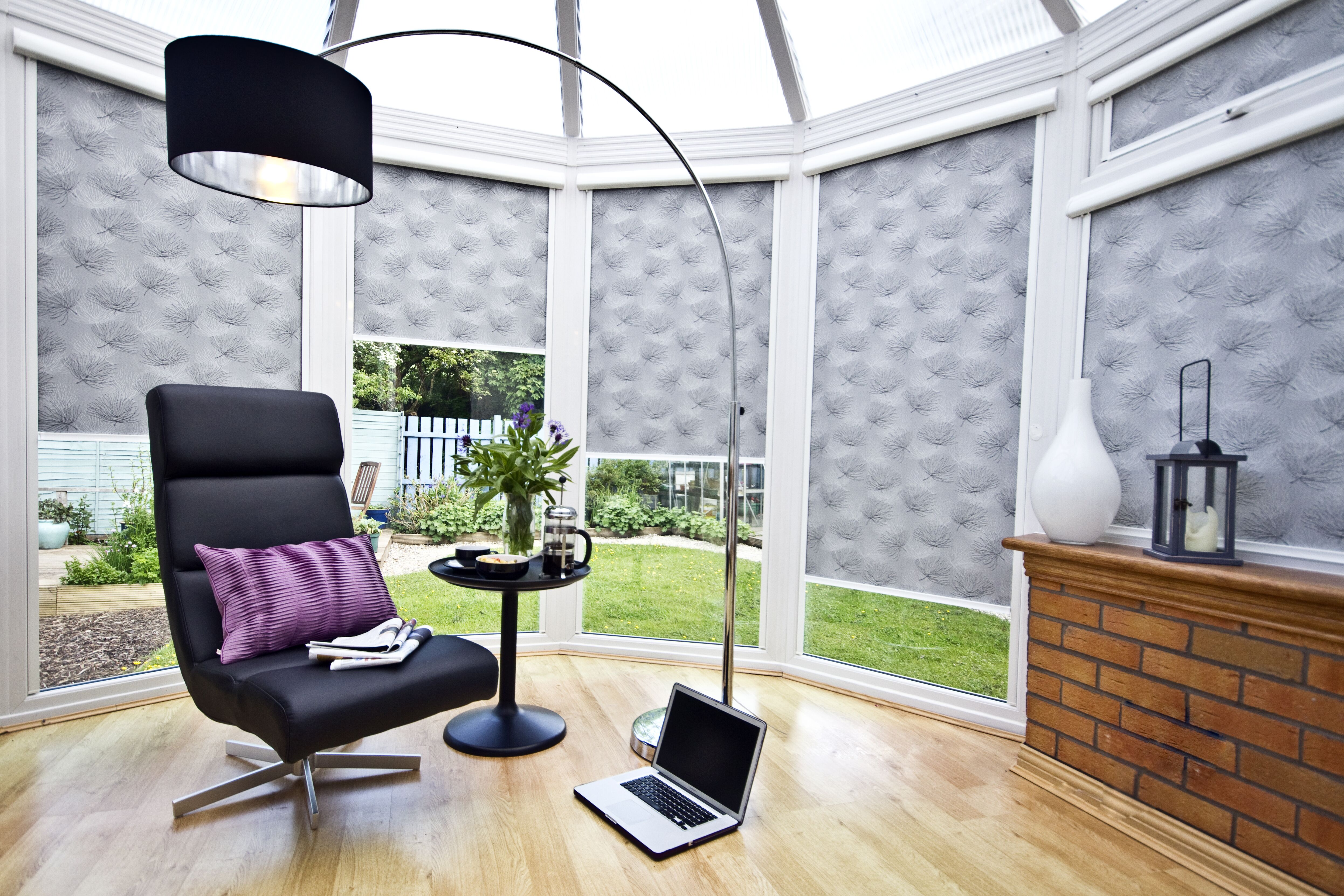
For homes with a mix of window orientations, you might use different blinds for different windows. A south-facing window that gets strong sun all afternoon benefits from a reflective blackout blind, while a north-facing window that receives little direct sun may be fine with a lighter fabric that lets in more light. Fitted window blinds made to measure allow you to tailor the fabric and fit to each window, so you get the heat control you need where it matters most.
If you are unsure which fabric or lining will work best for your situation, a specialist supplier can walk you through the options based on your window size, orientation, and how you use the room. A company like peakblinds.co.uk that supplies and installs made-to-measure blinds across Derbyshire and nearby areas can help you match the blind to the specific heat challenge of your home. The right choice makes a real difference to the comfort of your living space, and it does not have to mean sacrificing light or style.